
Tax Implications and Reporting Duties for Casino Players
Deciding whether to register with Q7 Casino hinges on understanding its operational base. The site functions as an offshore platform, meaning its services exist outside the scope of Australian interactive gambling legislation.
This creates a specific trade-off. While the casino may offer features unavailable on locally licensed sites, such as certain game variants or deposit methods, any financial dispute falls under foreign jurisdiction rules. Players should inspect the banking section carefully; withdrawal limits and verification requirements are set by the operator, not by an Australian authority. Accepting these conditions is the prerequisite for using the service.
Bunny96 casino deposit methods and fee structures explained
Game Mechanics, RTP, and Volatility Explained
The Mathematics of Return
RTP, or Return to Player, is a statistical projection derived from millions of simulated spins. It represents the theoretical percentage of wagered money that a game returns to players over an extended period. If a slot machine carries a 96% RTP, it retains a 4% house edge in the long run. This figure does not predict individual session outcomes. A player could experience a return of 200% or 0% in a short burst. The metric serves as a baseline for comparing game efficiency across different titles. Operators like Q7 Casino host libraries with varying RTPs. Identifying this number requires checking the game’s help file or information panel. Providers such as NetEnt and Playtech often publish these details directly within the interface. Players seeking lower risk might filter for games with higher published RTP values. However, a high RTP does not guarantee frequent wins. It simply indicates a slower average rate of loss over time.
Volatility and Risk Profiles
Volatility measures how often and how much a game pays out during play. High volatility slots deliver infrequent but potentially larger prizes. Low volatility games offer smaller, more consistent payouts. Medium volatility sits between these extremes. This mechanic dictates bankroll management strategies. A high-volatility title can deplete funds quickly during dry spells before delivering a significant hit. Low-volatility options preserve balance longer, allowing for extended play sessions. Players with limited budgets often prefer low-to-medium volatility. Those chasing jackpot-style payouts tolerate high volatility swings. Understanding this distinction prevents frustration when a game behaves unexpectedly. A player expecting steady small wins will find a high-volatility title erratic. Conversely, someone seeking massive multipliers may feel underwhelmed by low-volatility frequency. Matching volatility to personal risk tolerance is essential for sustainable entertainment.
Hit Frequency and Game Mechanics
Hit frequency indicates how often a spin results in any win, regardless of size. It differs from volatility, which focuses on payout magnitude. A game with high hit frequency pays out often, even if the amounts barely cover the stake. These mechanics create the perception of activity. Slots with cascading reels or cluster pays rely heavily on these patterns. Bonus features, such as free spins or multipliers, alter both volatility and hit frequency. Triggering a bonus round changes the underlying math temporarily. During free spins, RTP calculations remain static, but variance increases due to potential multipliers. Players should inspect paytables to understand feature triggers. Knowing whether a symbol activates a bonus or just adds to a line win clarifies gameplay expectations. Complex mechanics require more attention than simple three-reel classics.
Practical Application for Selection
Choosing games involves balancing RTP, volatility, and personal goals. No single metric determines quality. A 95% RTP high-volatility slot suits thrill-seekers with ample budget. A 98% RTP low-volatility slot benefits casual players wanting longevity. Checking provider specifications helps align choices with expectations. Some aggregators list technical data outside the game client. Players must verify these figures against in-game documentation. Discrepancies occasionally occur between marketing materials and actual code. Relying on verified internal help files ensures accuracy. Testing games in demo mode reveals volatility patterns without financial risk. Observing several hundred spins provides insight into payout rhythm. This practical check complements theoretical data. Combining statistical knowledge with hands-on observation leads to informed decisions.
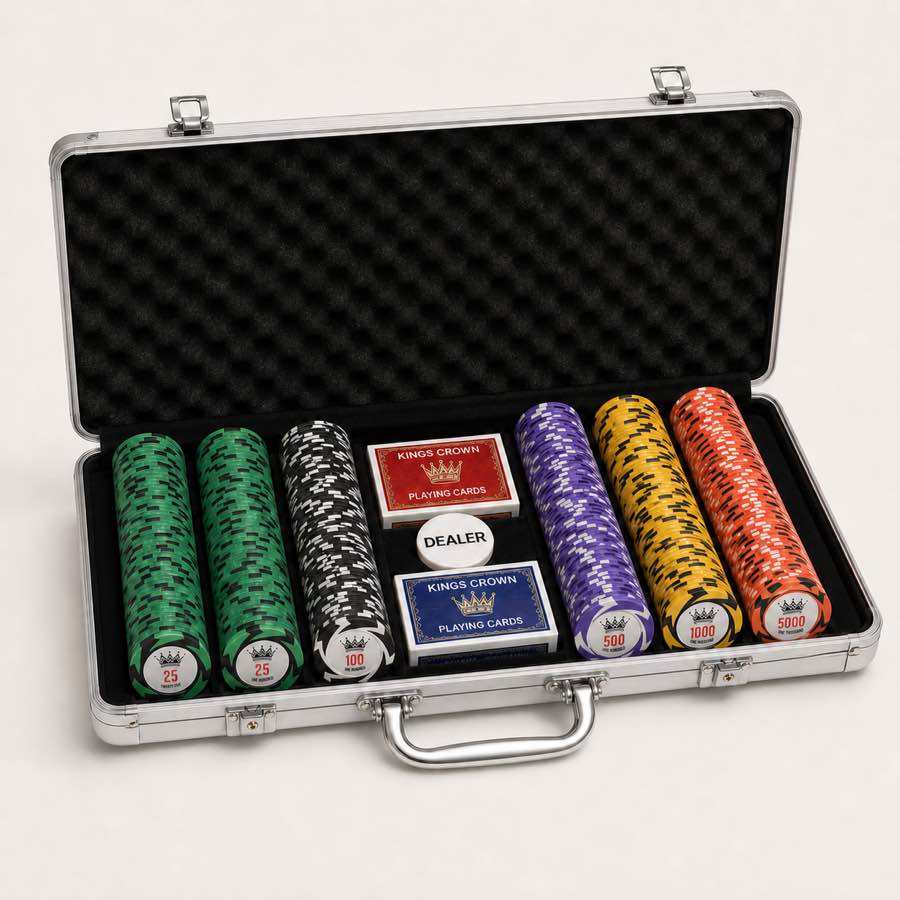
Q7 Casino: offers
What counts towards playthrough at Q7 Casino?
| Brand | Details |
|---|---|
| Q7 Casino | Q7 Casino welcome offers range from a 75% match up to $100 with 50 free spins to a 150% match up to $1,000 with a $5,000 maximum cashout, both at 40x wagering. |
Two welcome structures circulate for Q7 Casino: a 75% match up to $100 with 50 free spins, and a larger 150% match up to $1,000 capped at a $5,000 maximum cashout. Both carry 40x wagering on the bonus within 28 days, and the first deposit minimum is AU$10. The percentage is the wrong number to compare; the cashout ceiling on the larger offer is what decides how much of a big win you actually keep.
Responsible Gambling Tools and Support Resources
Responsible gambling tools are designed to help players maintain control over their spending and time spent gambling. Licensed Australian operators are legally required to provide a suite of these tools, including limits imposed on deposits, loss limits, time reminders, and self-exclusion options. These mechanisms are integrated directly into the user account and can often be set immediately or after a brief cooling-off period.
One of the most significant developments in Australian responsible gambling is BetStop, the National Self-Exclusion Register. BetStop allows individuals to exclude themselves from all licensed Australian wagering services simultaneously. Once registered, operators are legally bound to prevent the excluded person from accessing their accounts or receiving marketing communications. This tool provides a robust barrier against impulsive gambling across multiple providers.
However, BetStop and other state-based self-exclusion schemes do not cover offshore casino operators like Q7 Casino. Because these sites are not licensed in Australia, they are not part of the national exclusion database. A player who registers with BetStop can still technically access offshore sites unless they take additional steps to block them manually through internet service providers or third-party filtering software. This limitation highlights the importance of verifying whether an operator is included in local exclusion networks before relying on them for harm minimisation.
For those seeking support, Gambling Help Online is a free, confidential service available across Australia. They offer phone counselling, live chat, and webchat services accessible via the number 1800 858 858. Professional counsellors can assist with strategies for managing gambling behaviour, understanding addiction signs, and navigating the complexities of financial recovery related to gambling losses.
Players should also be aware of their tax obligations. While recreational gambling winnings are generally not taxable in Australia, professional gamblers may need to report income to the Australian Taxation Office (ATO). Additionally, Centrelink recipients must declare gambling winnings and losses as part of their income and asset tests, as these can affect eligibility for government payments. Keeping accurate records of gambling activities is advisable for compliance with these reporting requirements.
Is it illegal for an Australian to play at Q7 Casino?
It is not illegal for an individual Australian resident to access and play at an offshore casino site. However, it is illegal for the operator to supply these services to Australians under the Interactive Gambling Act 2001. This means the service is unregulated in Australia, and players have no local consumer protection rights.
Does BetStop block access to Q7 Casino?
No. BetStop only covers licensed Australian wagering providers. Since Q7 Casino operates offshore and is not licensed in Australia, it is not part of the National Self-Exclusion Register. Players must use separate technical blocks to prevent access to such sites.
What is the difference between RTP and volatility?
RTP (Return to Player) is the long-term percentage of wagered money a game pays back. Volatility describes the risk and frequency of payouts. High volatility means fewer but larger wins, while low volatility means frequent but smaller wins. Both factors influence session outcomes differently.
Frequently asked questions
How do I verify a casino’s licence before depositing?
Check the footer for a specific jurisdiction number, then search that number on the regulator’s public register. A generic "licensed" badge without a searchable ID is meaningless.
Can BetStop exclusions apply to offshore sites like Q7?
BetStop only binds operators licensed within Australia. An exclusion will not block your account or payments on unregulated offshore platforms.
Is Q7 Casino available for players in Australia?
No. Q7 Casino does not hold an Australian Interactive Gambling Act licence, so it falls outside the locally regulated market. Using offshore sites carries risks regarding payment disputes and self-exclusion enforcement.
Set an 18+ boundary before playing
Age verification happens at sign-up. Q7 Casino requires all players to be 18 or older, matching Australian legal standards enforced by state regulators and ACMA. This isn’t a formality. It prevents underage access and ensures responsible gambling tools apply correctly from day one.
Set your personal limits immediately after account creation. Decide on deposit caps and session durations before playing any game. If you feel the urge to chase losses, stop. That’s a red flag for problem gambling. Contact Gambling Help Online on 1800 858 858 for confidential support, or use BetStop for national self-exclusion.